Toll Free 1-800-259-9249

Help for Those with Sarcomatoid Mesothelioma

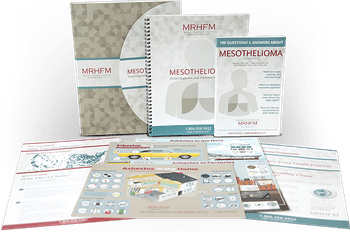
full array of mesothelioma resources included in the packet spread out in front of MRHFM folder that holds all your information in one place
  • Receive free mesothelioma resources in just a couple steps.

Receive FREE mesothelioma resources in just a couple steps.

  • Text Message Opt-In

Accounting for approximately 15% of all mesothelioma diagnosis, sarcomatoid mesothelioma is the least common mesothelioma cell type but the most aggressive form of the disease. Mesothelioma tumors made up of sarcomatoid cells most often grow in the pleura (the lining of the lung) and are less common in the peritoneum (the lining of the abdomen). The shape and speed of spreading to other parts of the body affects a patient’s prognosis.

Sarcomatoid mesothelioma in Pleura

Sarcomatoid Cell Type Characteristics and Subtypes

illustrated icon of oblong shaped sarcomatoid cells

Long and shaped like spindles, sarcomatoid cells grow in a haphazard pattern, which allows them to spread faster than other mesothelioma cell types. The way they spread makes them more resistant to treatment, contributing to a poor prognosis. Sarcomatoid cells have several subtypes:

Desmoplastic Sarcomatoid Cells

These are long and tend to look like bundles of collagen. Accounting for about 5 percent of all mesothelioma diagnoses, at least half of these tumors will appear patternless, making it difficult to diagnose.

Lymphohistiocytoid
Cells

These are large and shaped like spindles and usually appear together with immune and inflammatory cells. This subtype accounts for less than one percent of all mesothelioma diagnoses.

Transitional Sarcomatoid Cells

These are are plump and shaped liked spindles.

Sarcomatoid Diagnosis

Due to their similarity to other cancer cells, specialists find it difficult to diagnose sarcomatoid mesothelioma cells. Sarcomatoid tend to look like the benign tissue cells surrounding the tumor and sarcomas, a form of cancer that occurs in bone, muscle, or cartilage cells. Pathologists specialize in identifying cells to confirm a diagnosis and may use immunohistochemistry to help them differentiate sarcomatoid cells from cells belonging to other cancers. These markers, often proteins, are attracted to certain cells, which when attached makes them easier to see under a microscope.

Pathologists can also identify sarcomatoid cells under a microscope by the absence of epithelial elements within the cell. Sarcomatoid type mesothelioma is commonly misdiagnosed as sarcomatoid carcinoma, various sarcomas, fibrous pleurisy, or fibrous histiocytoma to name a few.


Background: a doctor holds a patient's x-ray; Foreground: circle graphic with text 'A correct diagnosis is essential to determine the right course of treatment.'

Speak with a Patient Advocate today to learn more about Sarcomatoid Mesothelioma.

Request a Medical Guide
Melvin and Tamlyn, Texas
Actual Client, Ship Builder
with attorney Thomas Irvin

Sarcomatoid Treatment

While patients with a sarcomatoid cell type tend to have a worse prognosis, there are treatment options to improve a prognosis from chemotherapy to surgery. Clinical trials for patients with sarcomatous mesothelioma may expand options, as those that have exhausted all their treatment options can seek out clinical trials offering experimental therapies. With any severe diagnosis such as mesothelioma, consider a second opinion, as it may sometimes reveal a better outcome than initially diagnosed and may offer expanded treatment options.

Sarcomatoid cell types are more resistant to treatment due to their haphazard spread pattern, rigidity, and aggressive metastasis (spread) to other parts of the body. Surgery may be effective on patients with early-stage sarcomatoid mesothelioma because at this stage, the tumor has not yet spread to other parts of the body. Removal of advanced-stage pleural sarcomatoid tumors can be difficult, as they tend to spread into the chest wall, which may make surgery challenging at later stages. Sarcomatoid tumors in the abdomen may also be pose challenges for removal due to their proximity the soft organs in the abdominal area.

Chemotherapy has not proven itself as a standalone, effective treatment for sarcomatoid mesothelioma. However, studies have presented positive results with selenite, selenite with doxorubicin, or the combination of cyclophosphamide, vincristine, adriamycin, and dacarbazine (CYVADIC) in treating soft cell cancers in a variety of clinical trials.

Sarcomatoid Prognosis

Sarcomatoid mesothelioma patients have a worse prognosis than those with epithelioid or biphasic mesothelioma. The median survival rate for a sarcomatoid mesothelioma patient is 6 months after diagnosis and treatments are improving as clinical trials lead the way in advancements. Talk to your specialist to learn more about treatment options that can improve your sarcomatoid mesothelioma prognosis.